JB durian season: where locals buy and what to pay
Johor Bahru's 2026 durian glut explained — main season, where locals actually buy Musang King, and rough prices per kilo.
Quick answer
- 2026 is a glut year — main season June–August, with fruit appearing on stalls from mid-April
- Musang King and Black Thorn run roughly RM20–40/kg in 2026, cheaper varieties from about RM8/kg
- Royal Durian Buffet (Skudai) and Yi Foon Durian (Taman Johor Jaya) run all-you-can-eat sittings through peak season
- A second, smaller flush usually runs November to January
Contents
Durian trips to JB follow a rhythm: check when the season's on, decide between a buffet or buying by the kilo, and go in the late afternoon when the day's fruit has just dropped. 2026 has been an unusually generous year, and that changes both the timing and the price advice.
Why 2026 is different
Malaysia's durian growers are calling 2026 a glut year. The main season normally runs June through August, but fruit was already showing up on JB stalls from mid-April, and supply stayed high through the summer. That's good news for buyers — more fruit on the ground usually means softer prices, especially for the premium varieties.
What you'll pay
As of 2026, Musang King and Black Thorn — the two names most Singaporean visitors ask for — were running roughly RM20 to RM40 per kilo, dropping toward the lower end at the height of the glut. Everyday varieties (D24, XO, kampung durian) started from around RM8 per kilo. These numbers move week by week depending on rain and harvest volume, so treat them as a rough guide and always confirm the day's price with the stall before you buy — don't assume last month's rate still holds.
Where locals actually go
Yi Foon Durian, in Taman Johor Jaya, is one of the cheapest buffet setups in JB, with sittings from around RM34 per person as of 2026 — good if you want to sit, eat as much as you like, and not worry about per-kilo haggling.
Royal Durian Buffet at Skudai is the air-conditioned option, from roughly RM88 per adult. It costs more but you're not sweating through the meal, which matters if you're visiting in the middle of the day.
Haji Mohamed Durian is often cited as one of the cheapest and most reliable stalls if you'd rather buy by the kilo and eat at a table outside, with prices starting from around RM9/kg for regular varieties.
A practical route
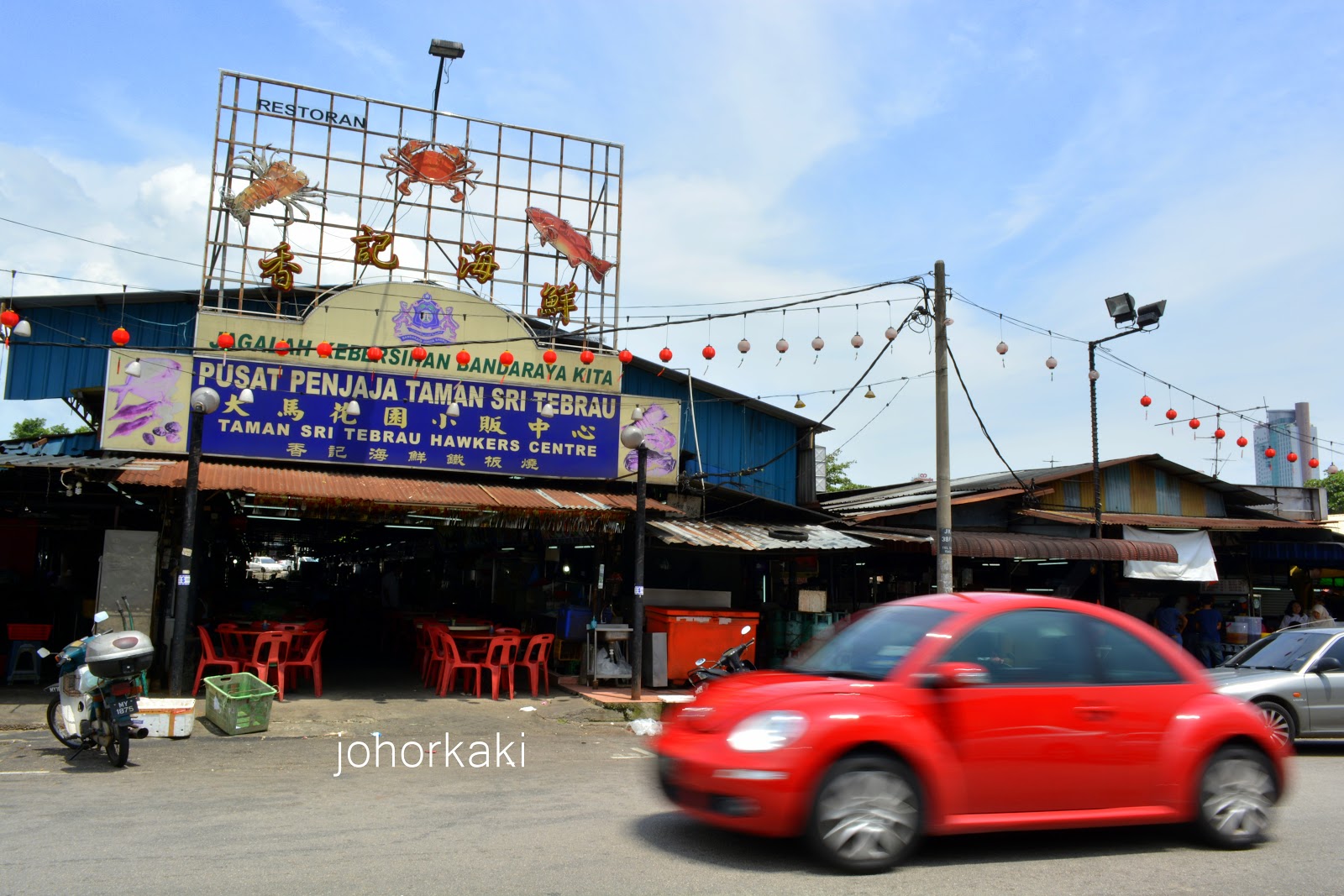
Durian trips work best in the late afternoon, after the day's fruit has dropped and before the evening crowd thins the good ones out. If you're coming from the KSL / Taman Century side of town, it's worth timing your durian stop before or after dinner at Century Street Food Court — the food court runs until 2 am, so there's no rush to fit both into an early evening. If you're staying closer to the old town, the morning market crowd at Taman Sri Tebrau hawker centre is a reasonable breakfast stop before an afternoon durian run further out.
Buying by the kilo vs a buffet
If you're new to durian, a buffet is the lower-risk option — you pay one price, sit down, and the stall brings the fruit to you as it opens, so you're not trying to judge ripeness or haggle over weight while standing at a stall. Buying by the kilo rewards people who already know what they're looking for: a good stall will let you smell and even open a durian before you commit, and prices can be negotiated a little if you're buying several kilos at once, especially on a slow weekday afternoon when the seller has more fruit than customers.
What a glut year changes
In a normal year, the advice would be to book ahead for a buffet slot and expect Musang King to sit closer to RM60–80 per kilo at peak demand. 2026's glut has pushed both buffet prices and per-kilo rates down, and stallholders have more fruit than usual to move, so there's more room to be a bit particular about what you're served — don't be shy about asking to see the durian opened before you pay, even at a buffet.
After the durian
Durian is rich and heavy, so most locals follow it with something light and cold, not another dessert. If you want a sweeter, less pungent way to end the day, our stall, Apam Balik Jalil, is a five-minute walk from Century Street Food Court and sells thin, crispy apam balik in more than twenty flavours — kaya is the traditional pairing if you want something familiar after all that durian.
Sources: YouTrip JB durian guide 2026, Eatbook — Yi Foon Durian, FunEmpire — best durian spots
Places in this guide
- Century Street Food Court 世纪美食中心 — KSL · mixed food court (pork and beer stalls present); individual stalls vary
- Apam Balik Jalil Jalil 曼煎糕 — KSL · pork-free, not certified
- Taman Sri Tebrau Hawker Centre no data — Taman Sri Tebrau · pork-free, not certified
FAQ
When is durian season in JB?
The main season runs June to August, and in 2026 fruit was already on stalls by mid-April because of the glut. A smaller second flush typically runs November to January, though supply and quality are less consistent then.
Is a durian buffet worth it?
If you eat a lot in one sitting, yes. Yi Foon Durian in Taman Johor Jaya runs buffets from around RM34 per person as of 2026, while Royal Durian Buffet at Skudai is pricier at around RM88 per adult but air-conditioned, which matters in JB's heat.
How much should I pay per kilo?
In the 2026 glut, top-tier Musang King or Black Thorn ran roughly RM20–40 per kilo, dipping lower at the height of the season, with everyday varieties starting around RM8/kg. Prices move week to week, so treat this as a guide, not a quote — always confirm at the stall.