Apam balik explained: thick vs crispy, origins, and where to eat it in JB
What apam balik is, where it came from, thick vs thin-crispy, how it is made, 2026 JB prices, and where to find a good one in Johor Bahru.
Quick answer
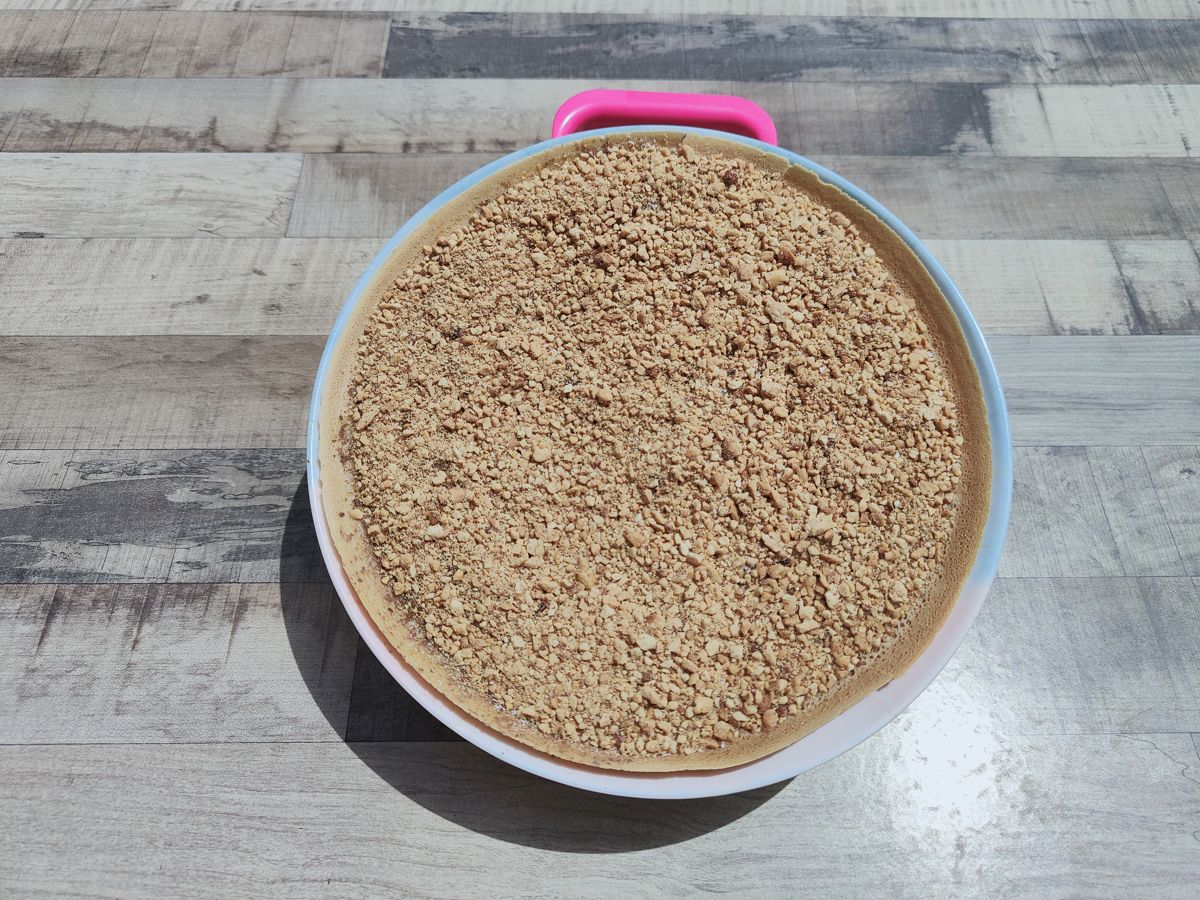
- Apam balik = a griddled pancake filled while cooking, then folded. Classic filling: crushed roasted peanut + sugar, often sweetcorn
- Two styles: thick and spongy (night-market style) vs thin and crispy (wafer-like). Both are called apam balik
- Other names: ban chang kuih / min chiang kueh (Chinese, common in Johor), martabak manis (Indonesia), terang bulan
- Origin: Fujian (Hokkien) Chinese, brought to Penang; now a pan-Malaysian Malay and Chinese street snack
- Price in JB, 2026: about RM2–6 depending on size and filling
Contents
If you have walked through a Malaysian night market you have smelled it before you saw it: butter and toasted peanut, a heavy iron pan on a gas ring, a ladle of batter swirled up the sides. That is apam balik — literally "turned-over cake" in Malay — and it is one of the few snacks every Malaysian community claims as its own.
What it is
A batter of flour, egg, sugar and a little rising agent is poured into a hot round pan and cooked on one side only. While the top is still wet, the filling goes on: crushed roasted peanuts and sugar at minimum, often creamed sweetcorn, sometimes grated coconut or kaya. The pancake is folded in half in the pan, so the filling is sealed inside, then cut into wedges.
Everything about the result depends on the batter's thickness and how long it stays on the heat, which is why the same name covers two very different things.
Thick vs thin
| Thick ("apam balik tebal") | Thin / crispy ("apam balik nipis" or "rangup") | |
|---|---|---|
| Texture | Spongy, honeycombed like a crumpet, soft | Wafer-crisp base, shatters when bitten |
| Pan | Small, deep, batter poured thick | Wide, shallow, batter swirled thin up the sides |
| Where you meet it | Night-market stalls, roadside carts | Specialist stalls, Chinese-style ban chang kuih vendors |
| Keeps | An hour or two | Ten minutes — eat it now |
| Feels like | A stuffed pancake, a meal | A snack, a crisp |
Neither is "more authentic"; the thick style is closer to the Fujian original, the thin style is the one that developed in Malaysian hawker hands. Ask before you order if you care.
The names
- Apam balik — Malay, the national name.
- Ban chang kuih / min chiang kueh (曼煎糕 / 面煎粿) — the Hokkien and Teochew names used by Chinese vendors; min chiang kueh is what you will hear in Johor.
- Martabak manis / terang bulan — Indonesia's version, thick style, chocolate-heavy.
- Dai gau min, chin loong pau, kap biang — regional Chinese-Malaysian names (Perak, KL, Hakka).
Where it came from
The dish is Fujianese; Chinese immigrants brought it to Penang, and from there it spread down the peninsula. The story that it was invented for General Zuo Zongtang's troops in the 1800s is repeated everywhere and evidenced nowhere — enjoy it as a story. What is certain is that by the mid-twentieth century Malay hawkers had adopted it wholesale, and today a Malay stall with a peanut-sugar apam balik is as common as a Chinese one.
What it costs in JB (2026)
A classic kacang apam balik, thin style, runs about RM2–3 at a food court. Premium fillings — Nutella, cheese, Oreo — push it to RM4–6. Thick night-market ones are usually RM2.50–4 for a quarter or half round.
Where to eat it in Johor Bahru
- Night markets (KSL on Monday, Taman Pelangi on Tuesday, and one somewhere every night of the week) always have at least one thick-style cart. Good for a first taste.
- Century Street Food Court, Taman Century — this is where we make it. Apam Balik Jalil does the thin, crispy style with a twenty-plus flavour board, plus pisang goreng and hand-made keropok lekor. Fifteen-plus years at the same griddle. Full stall page here, food-court guide here.
- Old-town JB — the ban chang kuih vendors around Jalan Trus and the morning markets do the Chinese thin style; ask for min chiang kueh.
Ordering tips
- Say the filling, not "one apam balik" — kacang, kacang jagung, kaya, keju.
- Thin style: eat within ten minutes. Thick style: fine to take home.
- Taking it across the Causeway? Ask for it uncut and unfolded loosely; it survives better.
FAQ
Is apam balik the same as martabak manis?
They are close cousins. Indonesian martabak manis is the thick, spongy style, usually with chocolate sprinkles, cheese and condensed milk. Malaysian apam balik covers both the thick style and the thin crispy style, and the classic filling is peanut and sugar rather than chocolate.
Why is my apam balik soft instead of crispy?
Either it is the thick style by design, or a thin one that has been sitting. Thin apam balik goes limp within about ten minutes of leaving the pan because the sugar filling steams the crust from inside. Eat it standing up.
Is apam balik vegetarian?
The batter normally contains egg. Fillings are peanut, sugar, corn, coconut, kaya (coconut-egg jam) or packaged spreads. There is no meat, so it suits most vegetarians who eat egg. Ask about butter or margarine if you are strictly vegan.
Where can I try apam balik in Johor Bahru?
Any pasar malam (night market) will have a thick-style stall. For the thin crispy style with a long flavour list, Apam Balik Jalil at Century Street Food Court in Taman Century has been at it for over fifteen years.